Glassblowing
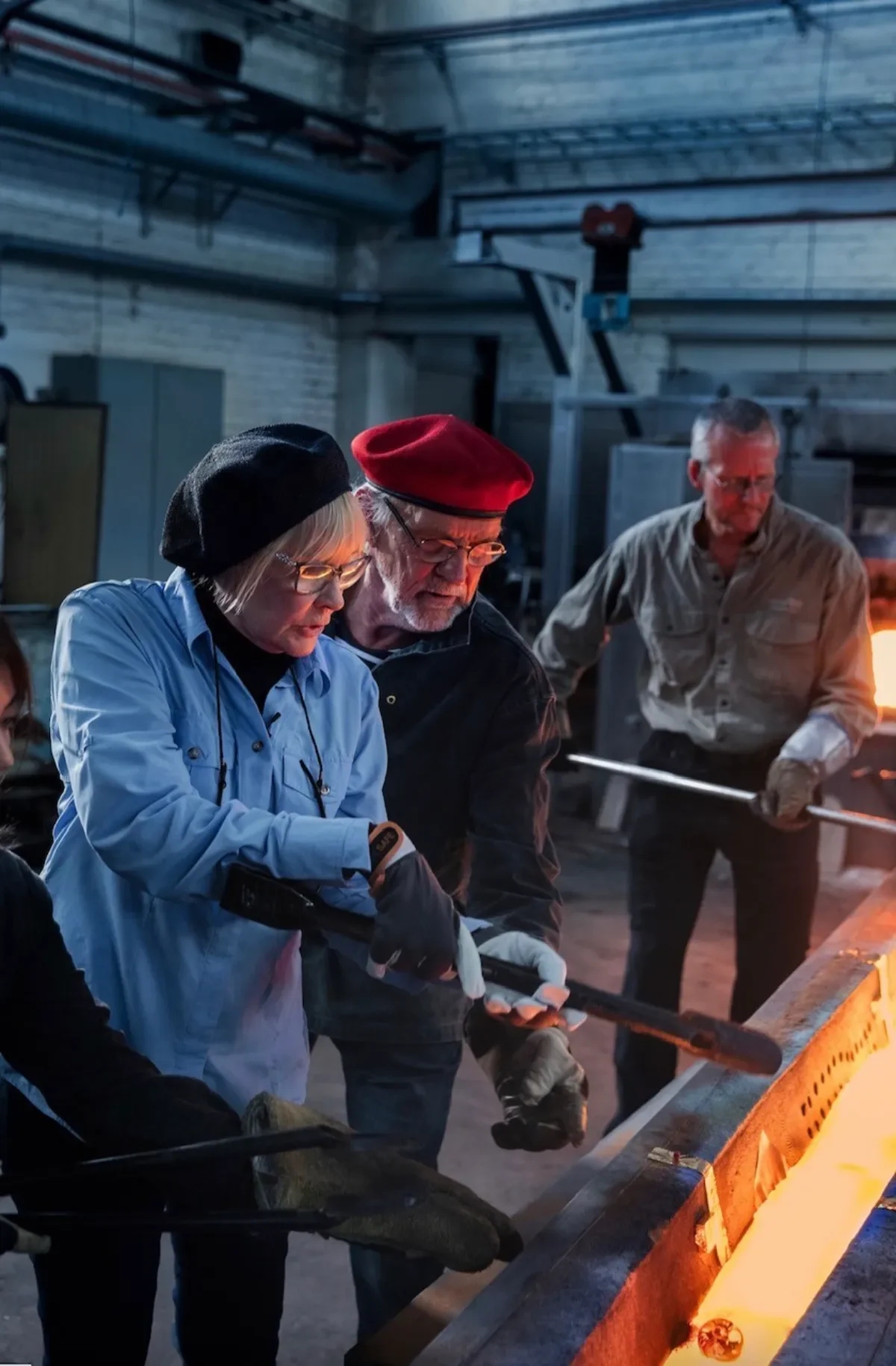
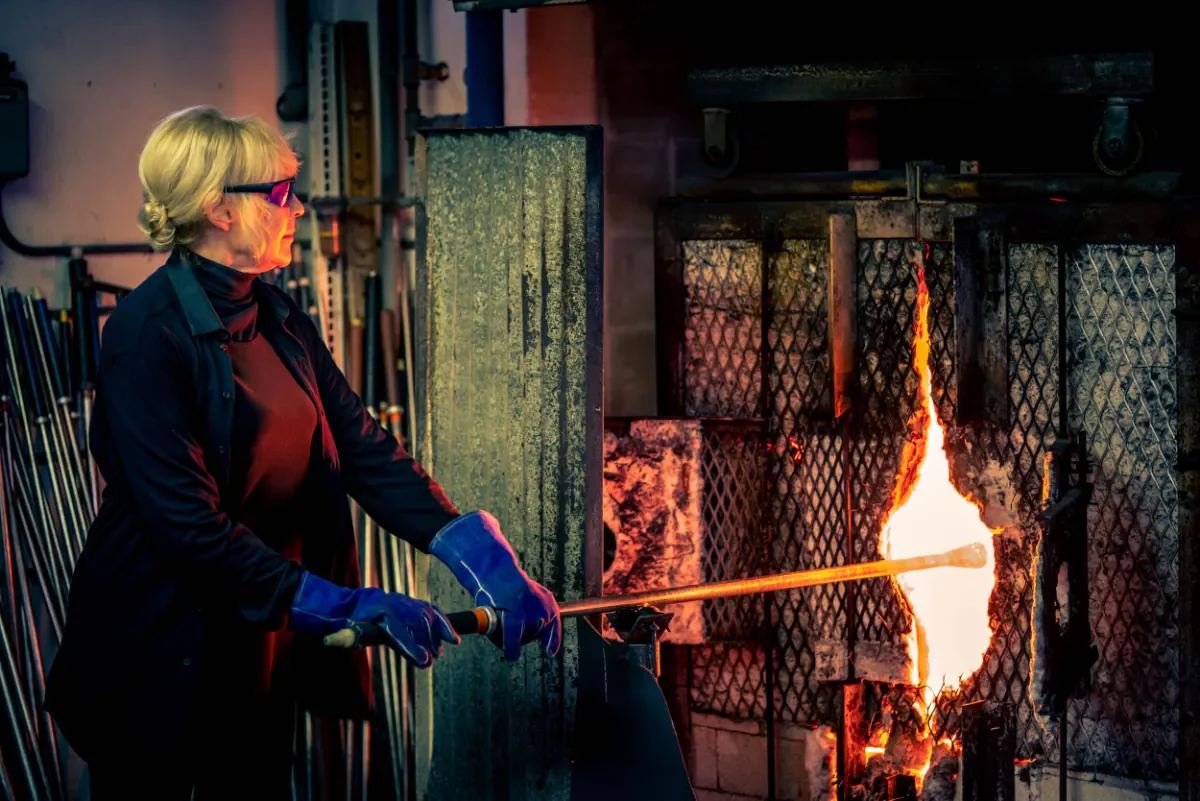
Molten glass is gathered, shaped, and blown into forms from vessels to sculpture.

Glass Art
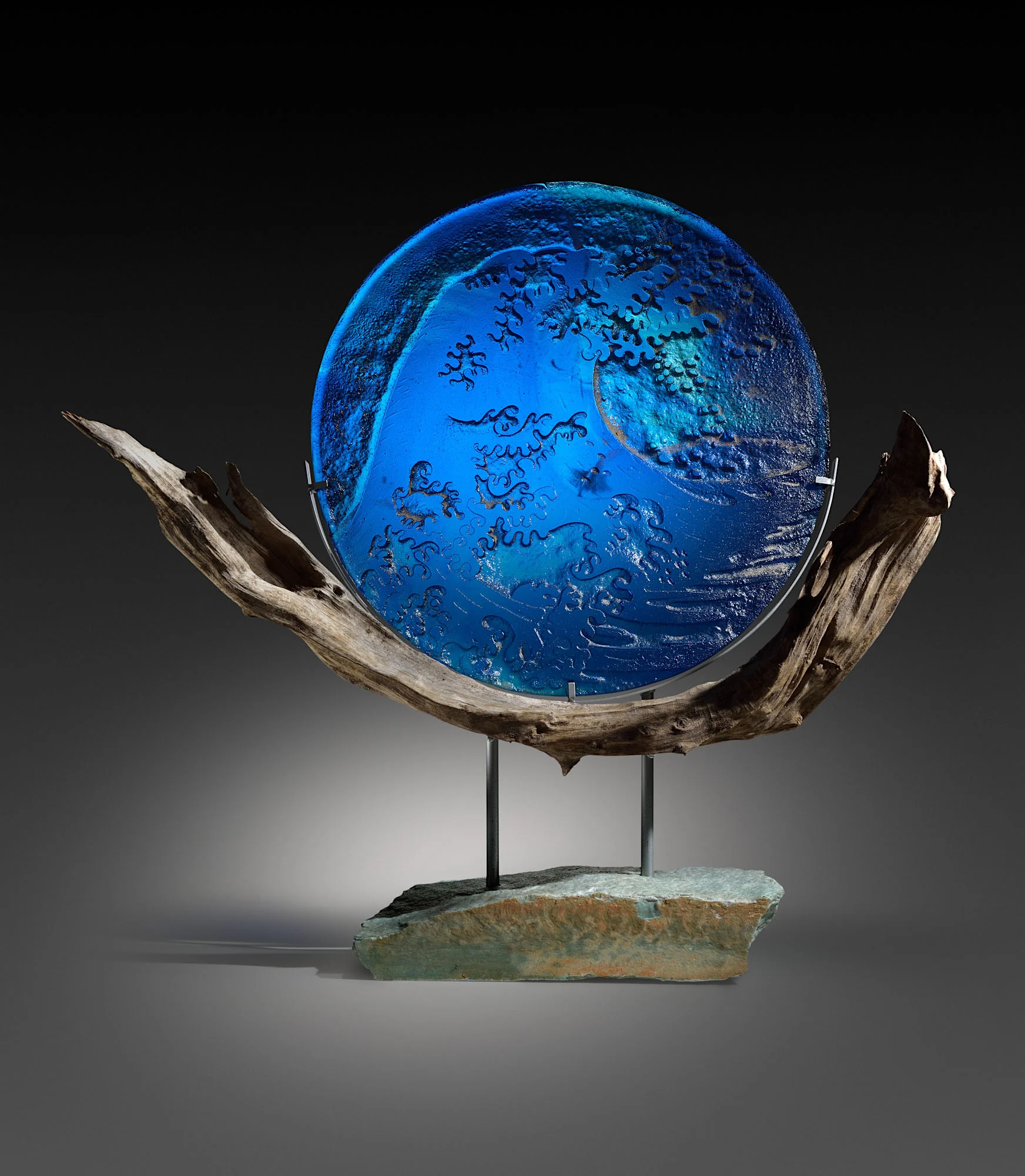
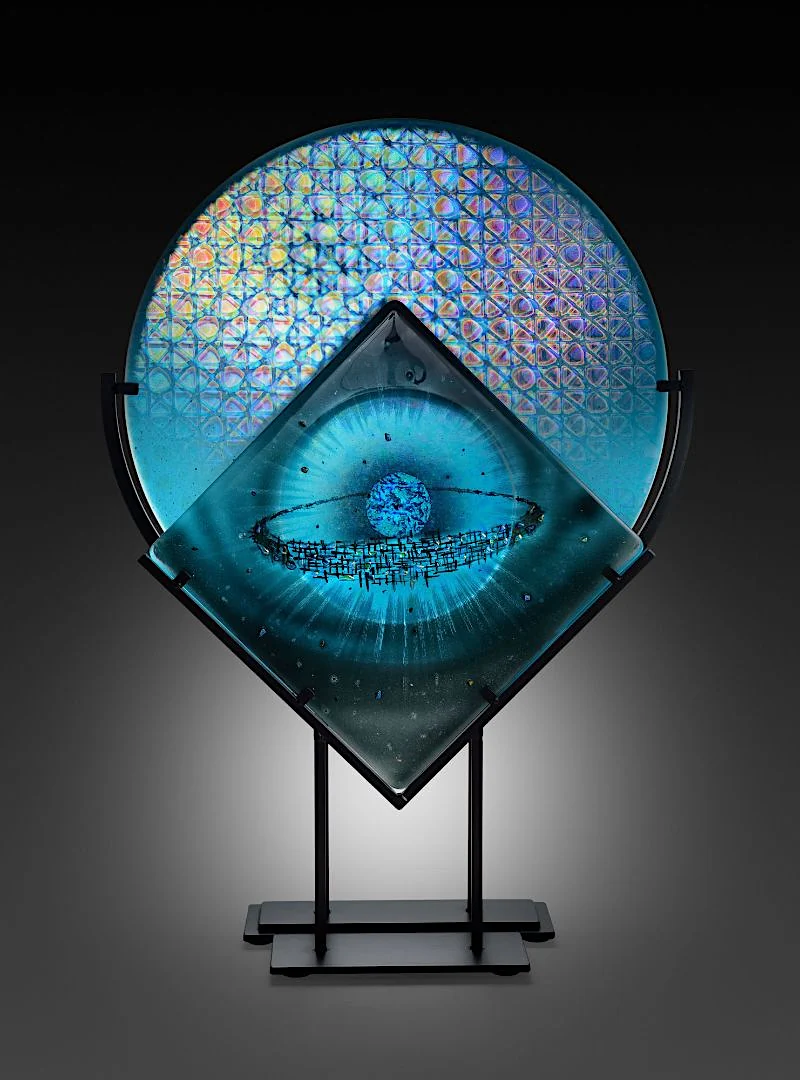
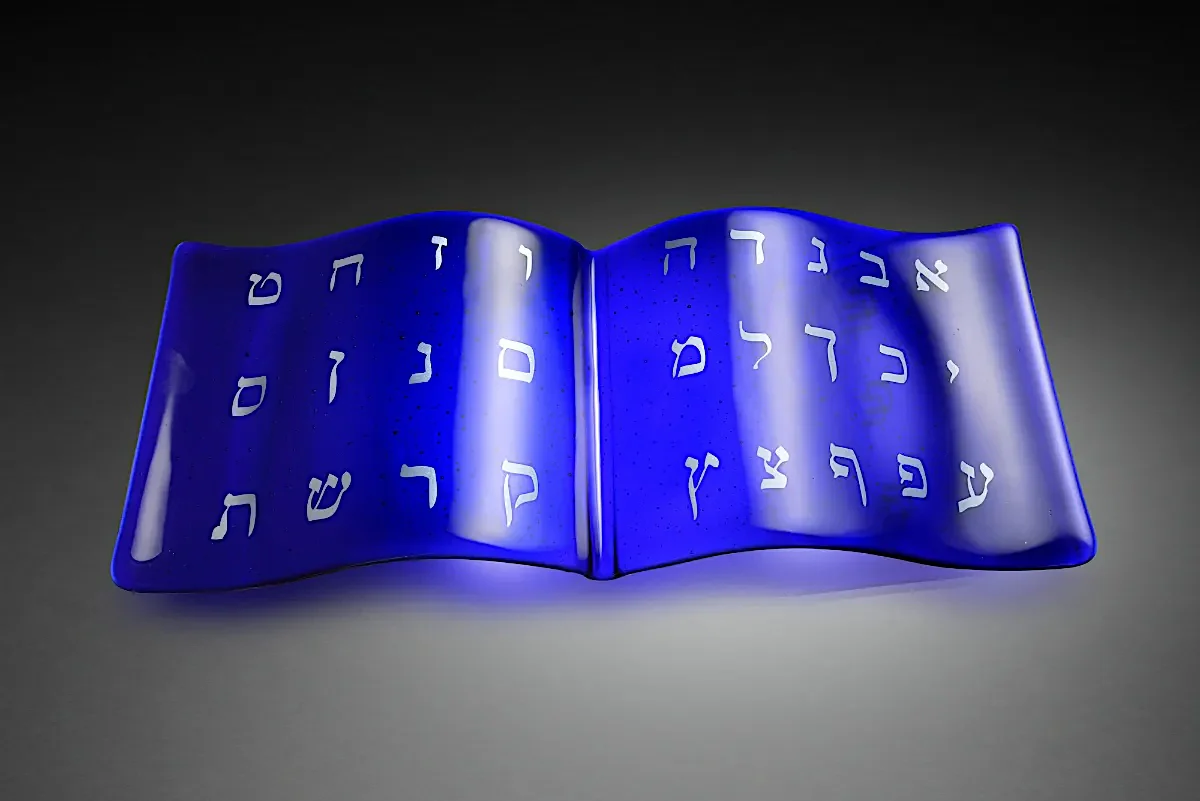
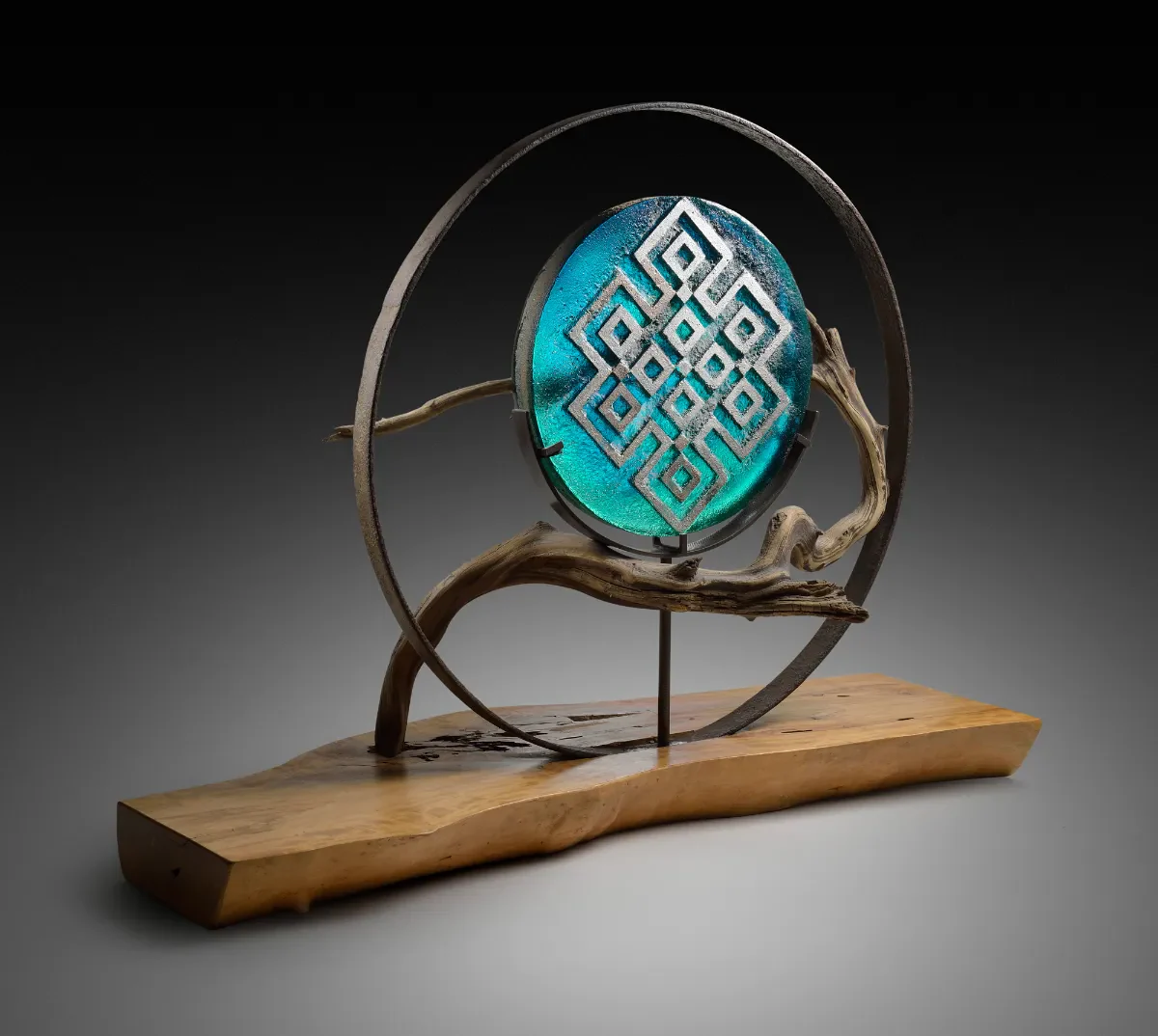
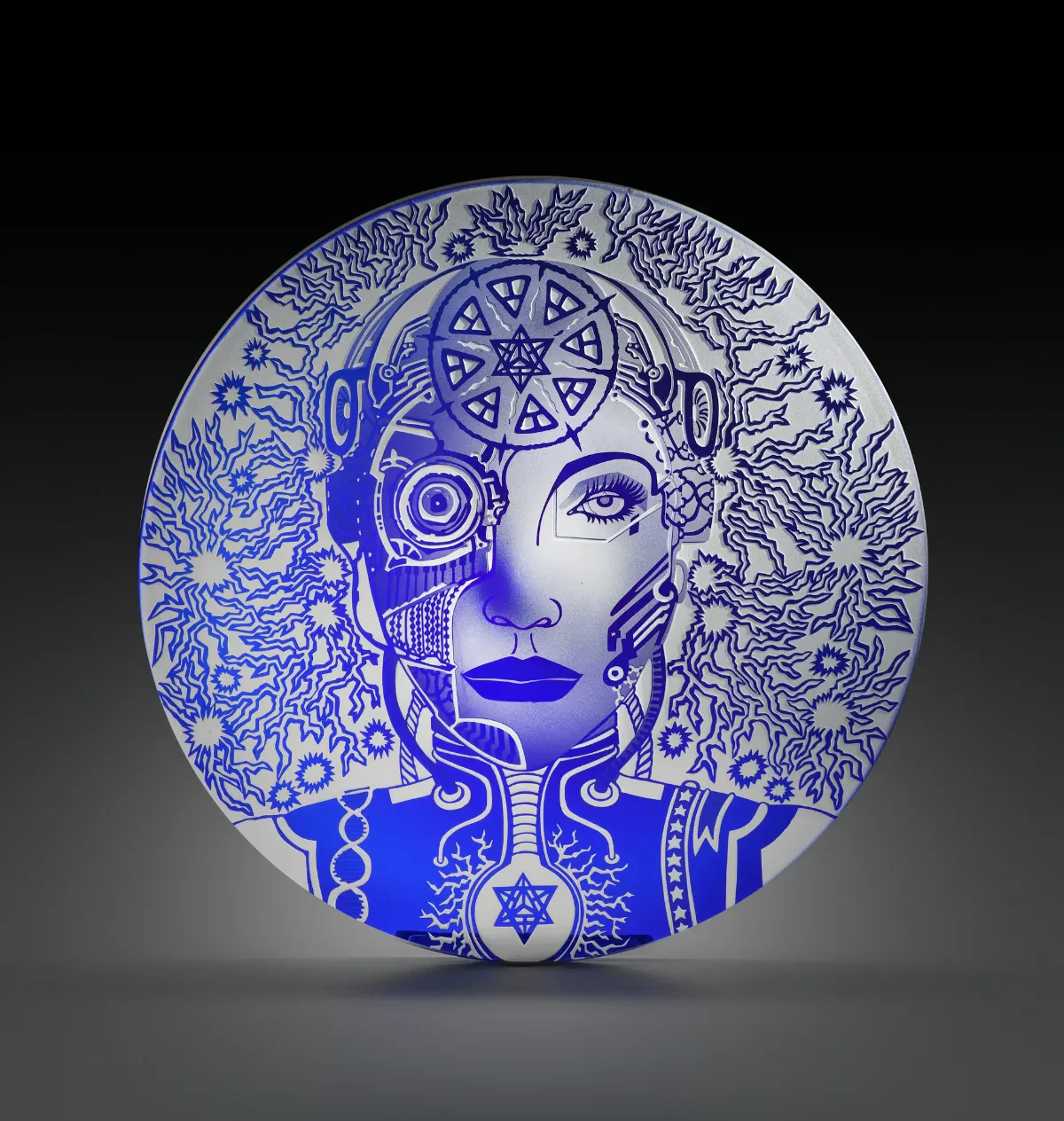
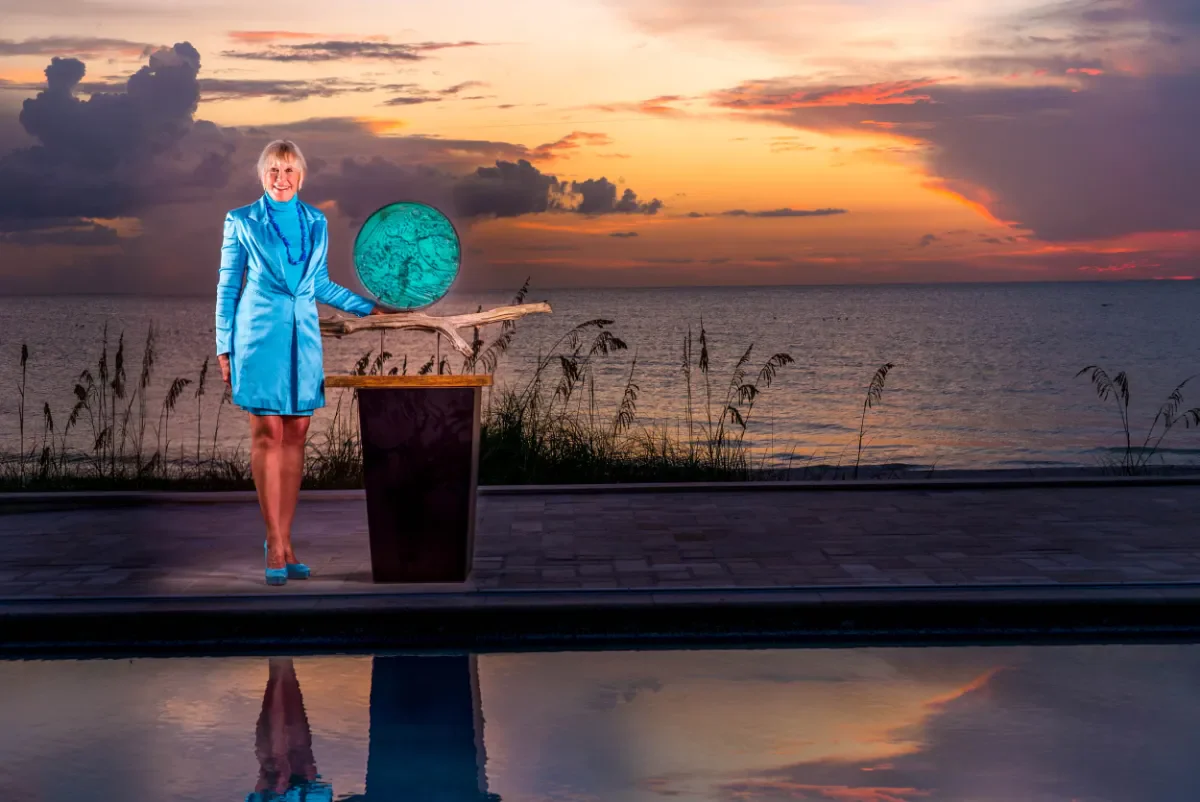
Born of the American studio glass movement, contemporary glass turns raw material into light and fragility into strength. In Trish Duggan's hands it becomes a living language — a way to focus the mind, calm the spirit, spark the imagination, and help people experience the present moment more fully.
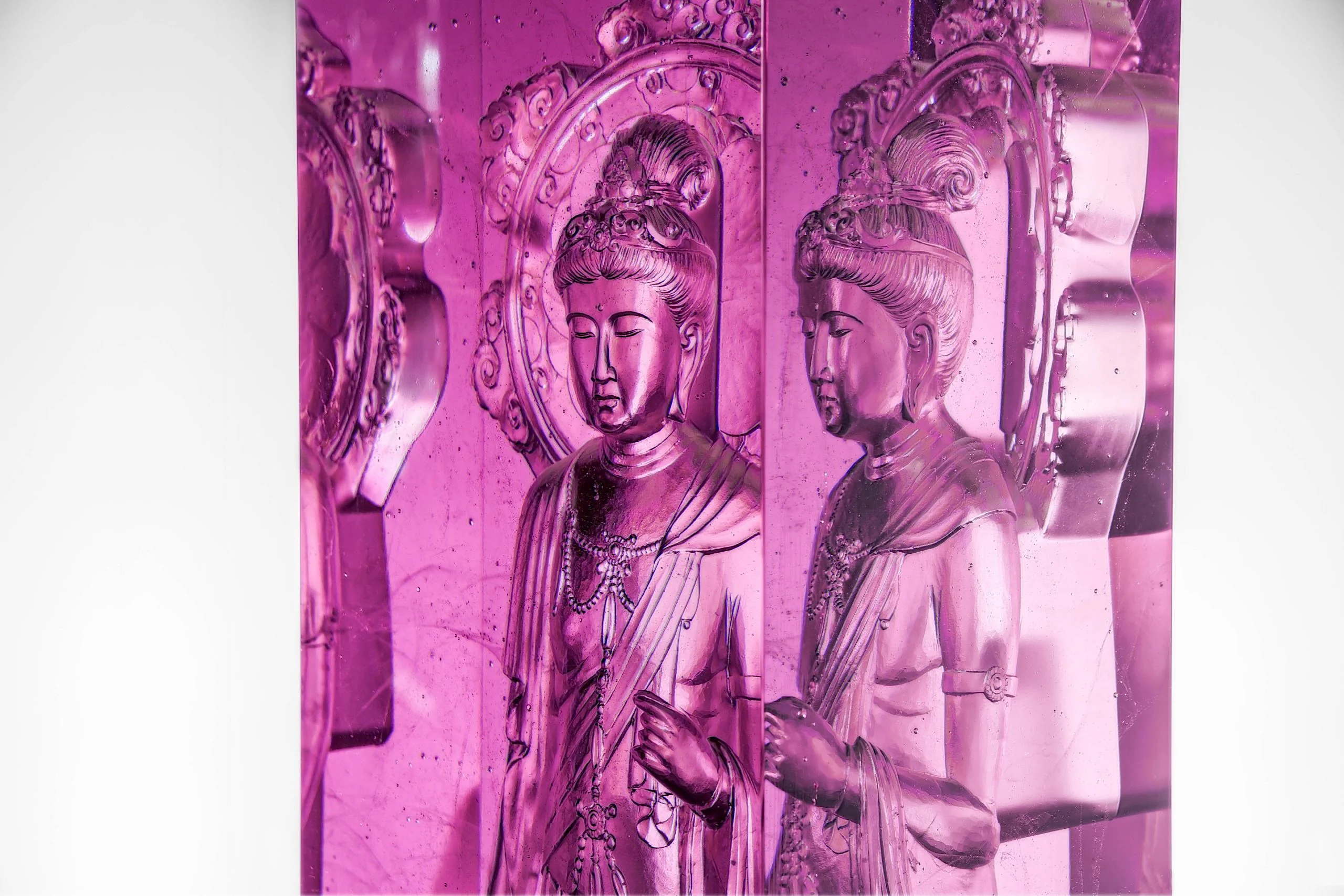
The studio movement differs from other twentieth-century art glass movements through its focus on the individual artist, technical knowledge sharing, and international exchange.
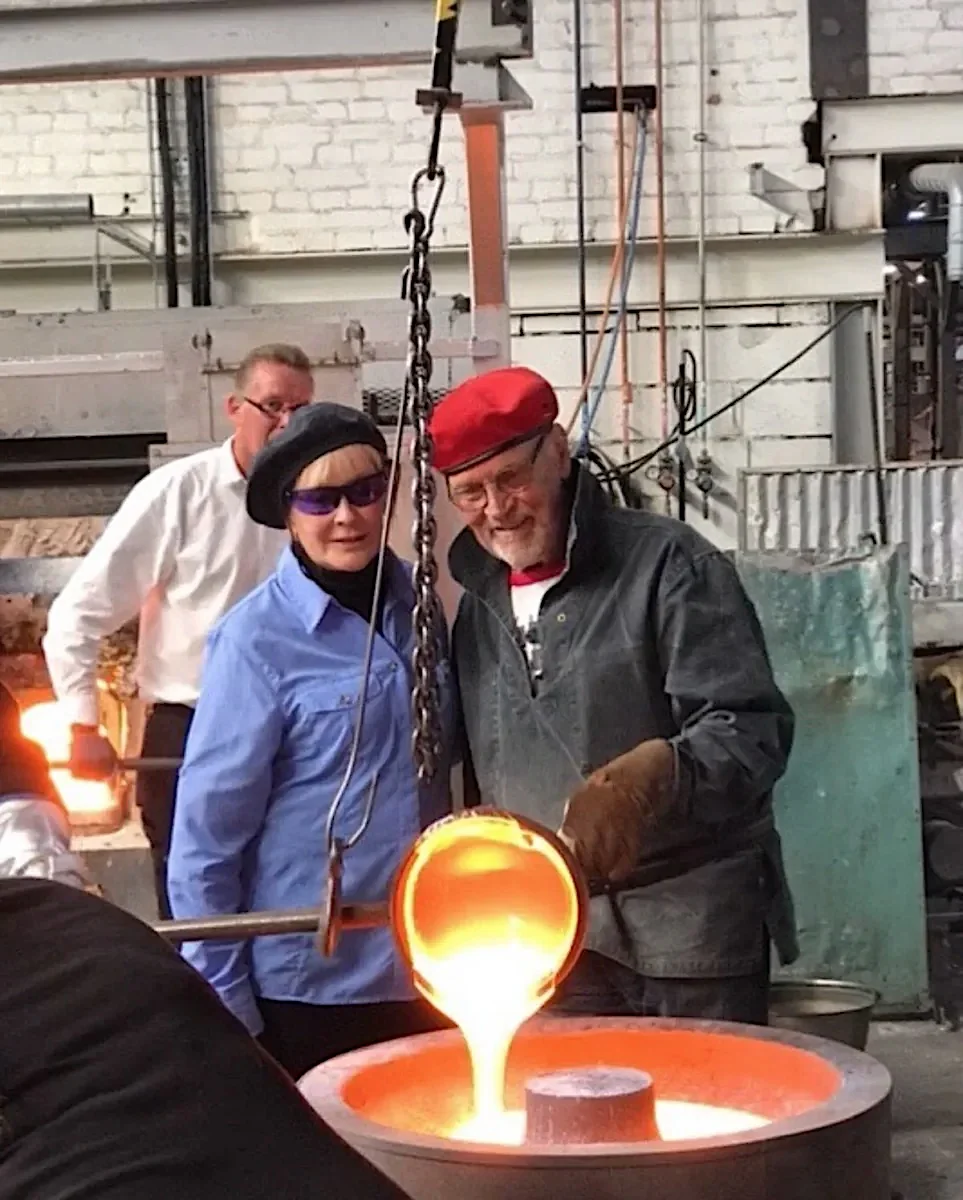
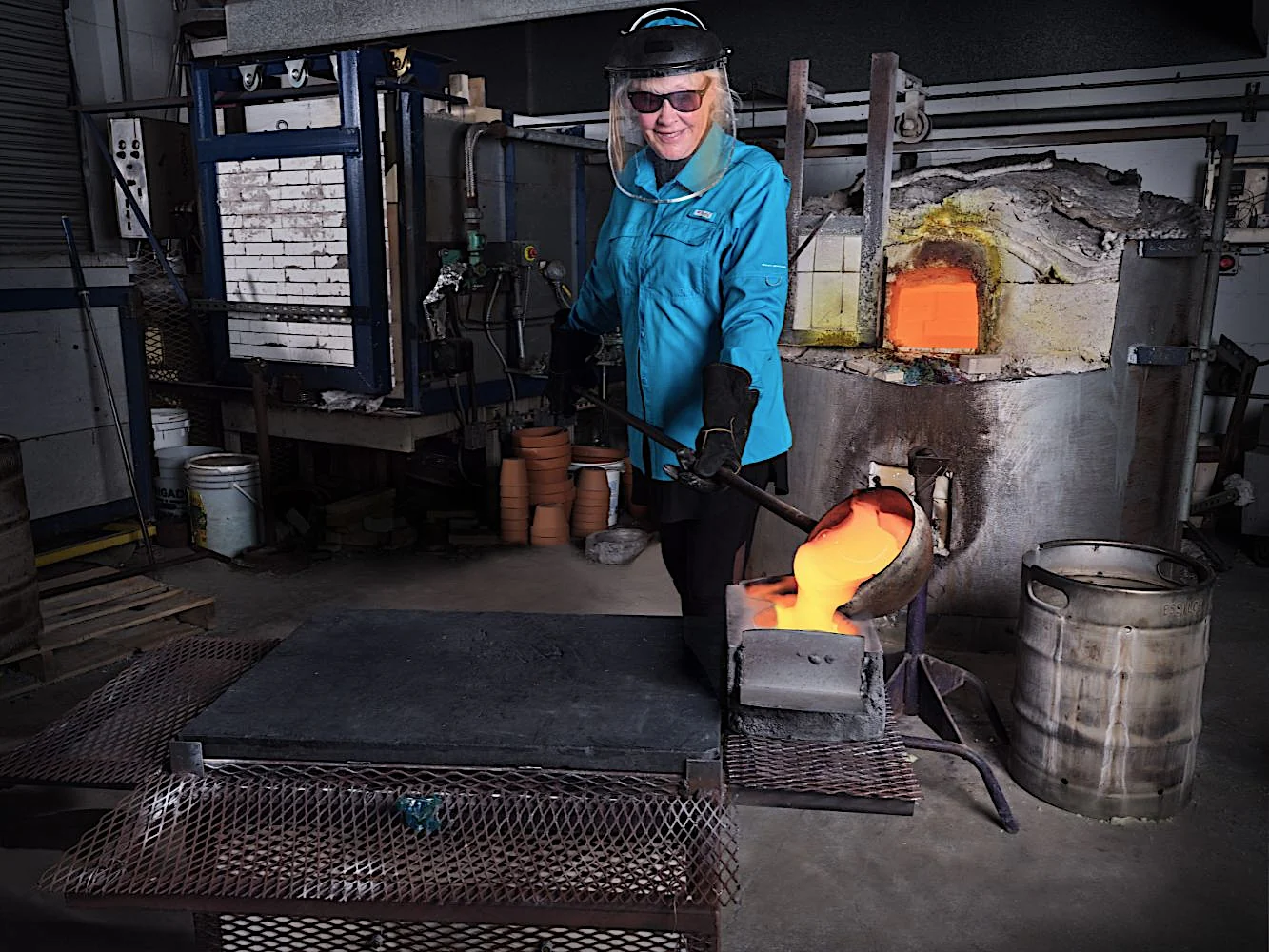
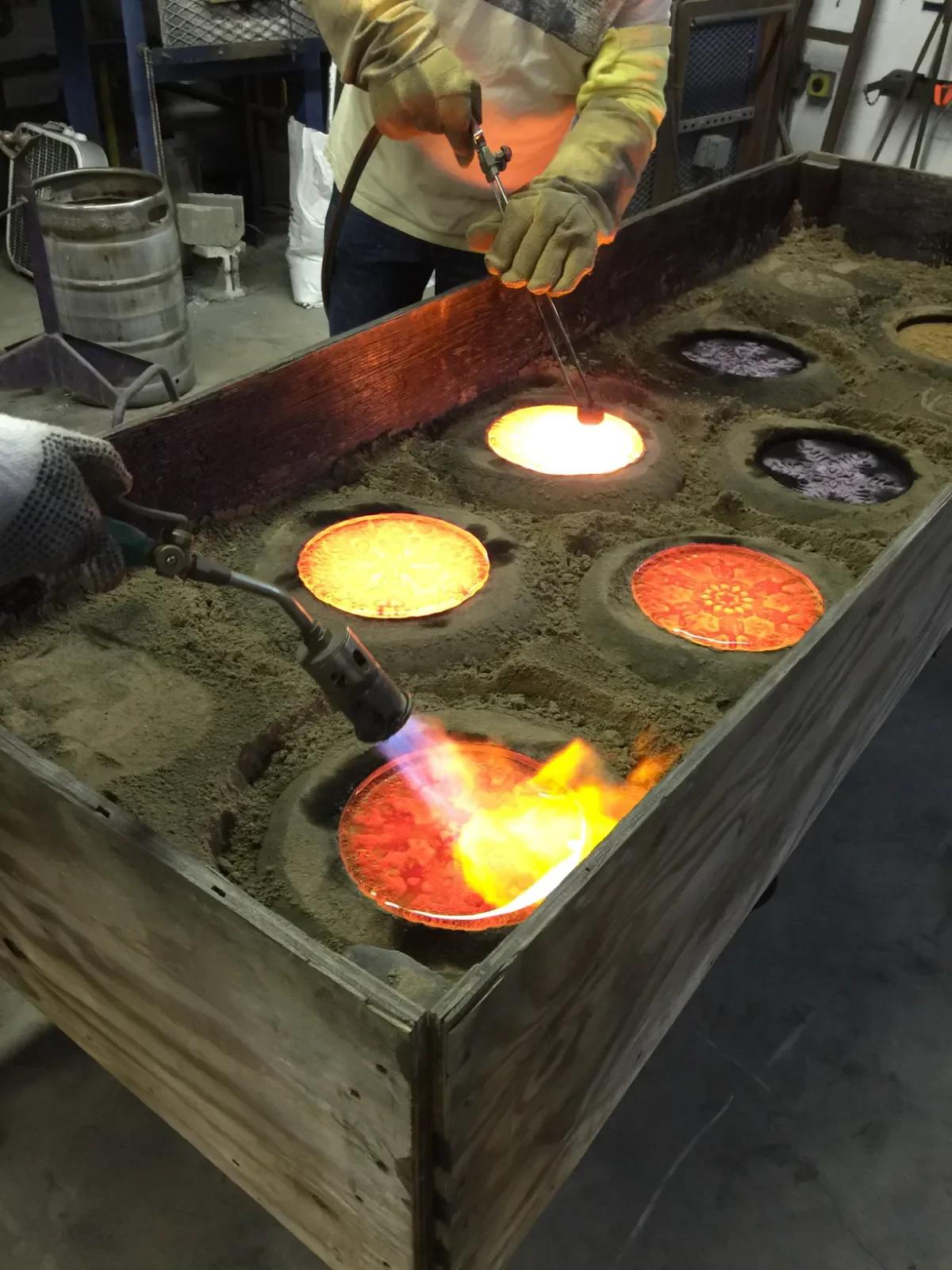
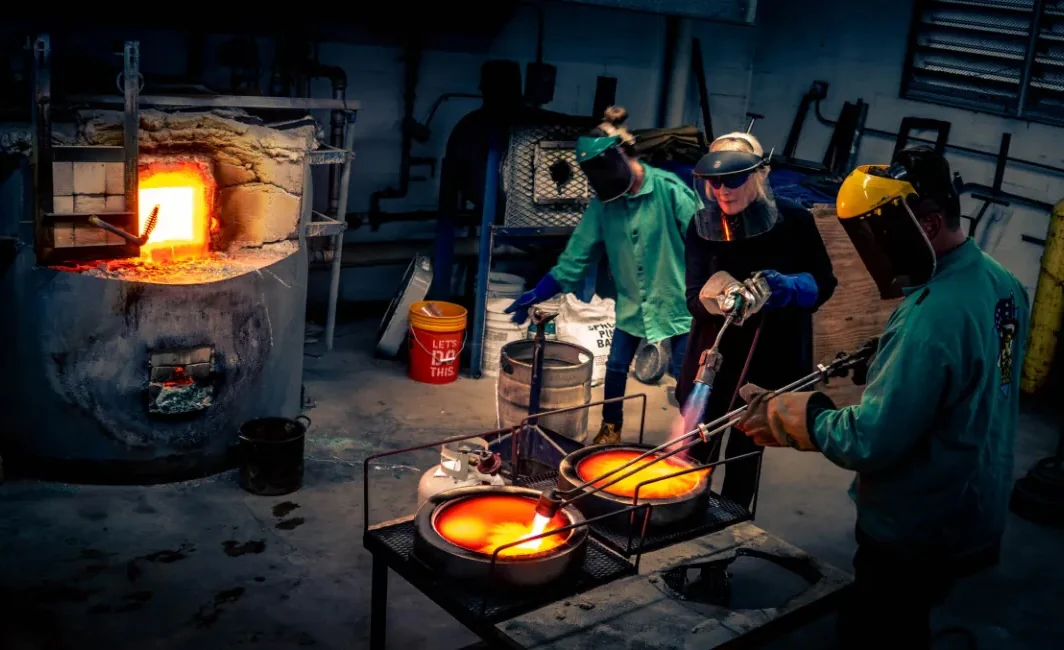
Glass is heated to extreme temperatures before it can be blown, cast, fused, flameworked, carved, or shaped into artwork.
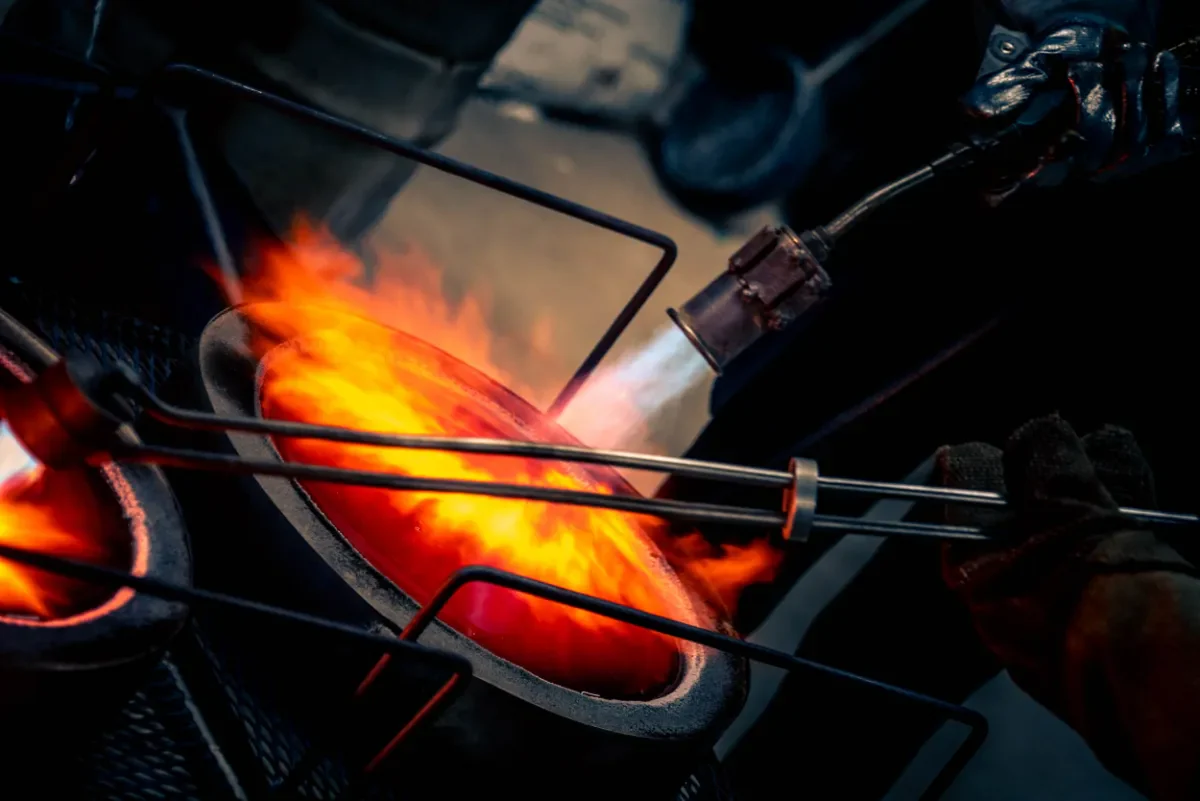
Glassblowing uses molten glass gathered on a blowpipe and expanded into form. Casting uses molds and controlled cooling. Flamework uses a torch and small tools for delicate, detailed work.
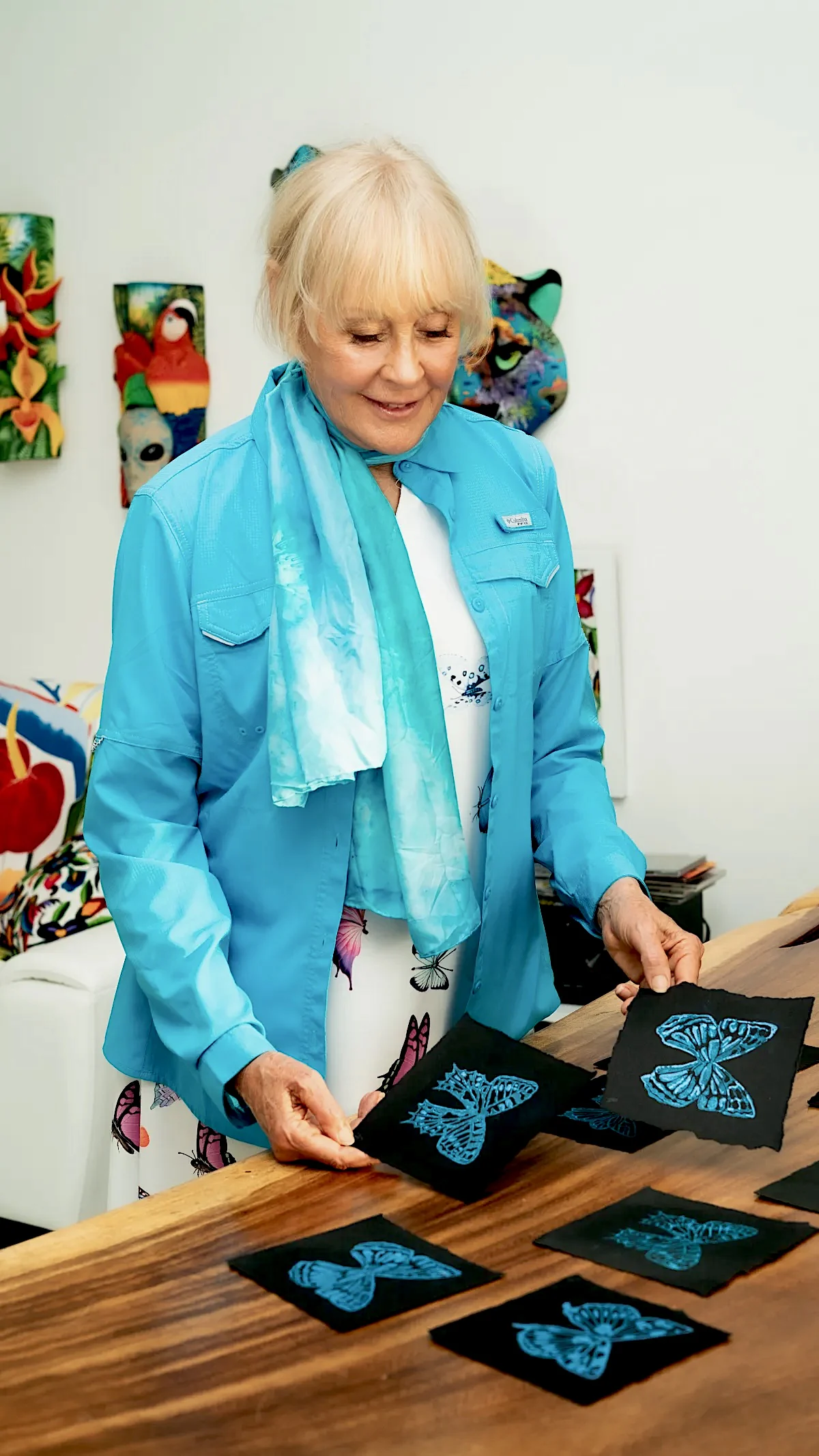
Trish Duggan's art practice centers on contemporary glass while reaching into themes of nature, peace, human rights, space, augmented reality, culture, and beauty.
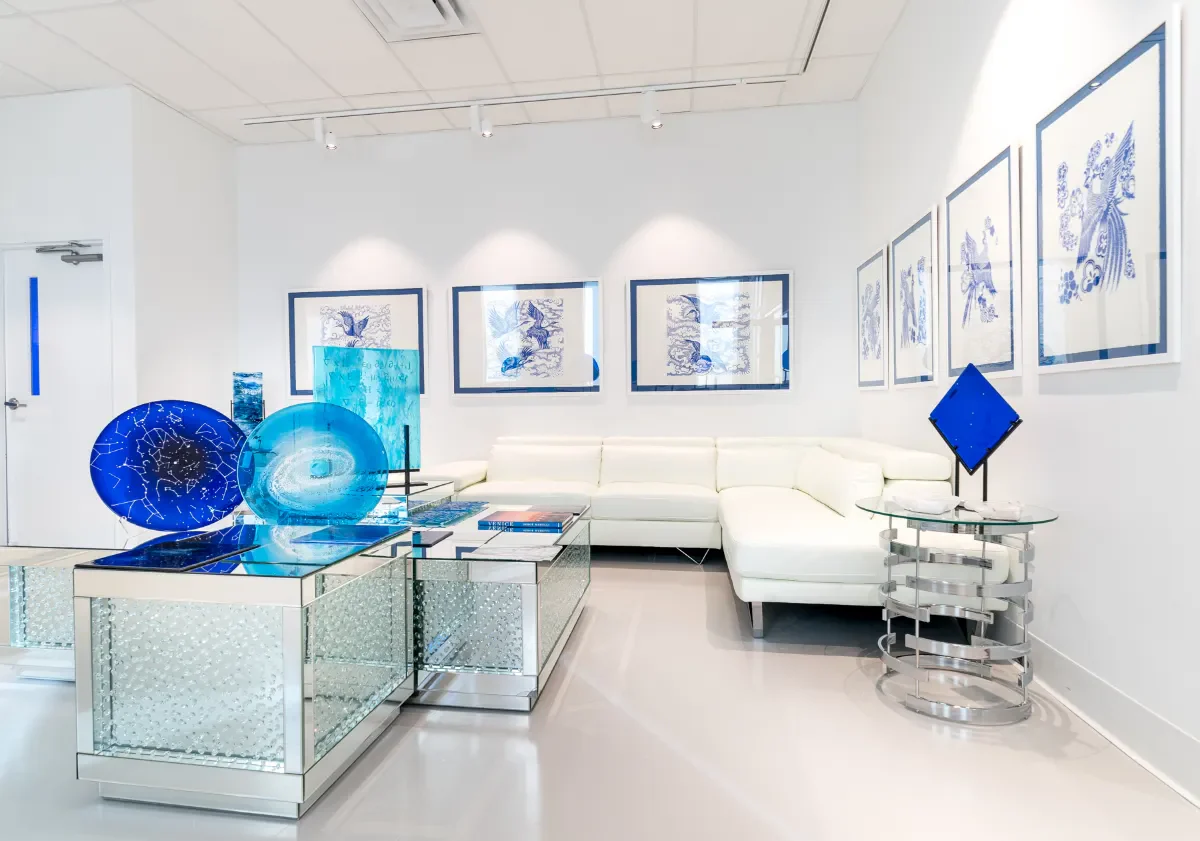
In 2017, Trish opened TD Glass in the Arts District of St. Petersburg, Florida. The studio supports processes including modern woodblock prints, fusing, carving, casting, slumping glass, coldworking, woodshop work, printmaking, and glass casting.
In 2018, she founded Imagine Museum, whose mission is to elevate American and international contemporary glass art and artists through education and exhibitions.
Molten glass is gathered, shaped, and blown into forms from vessels to sculpture.
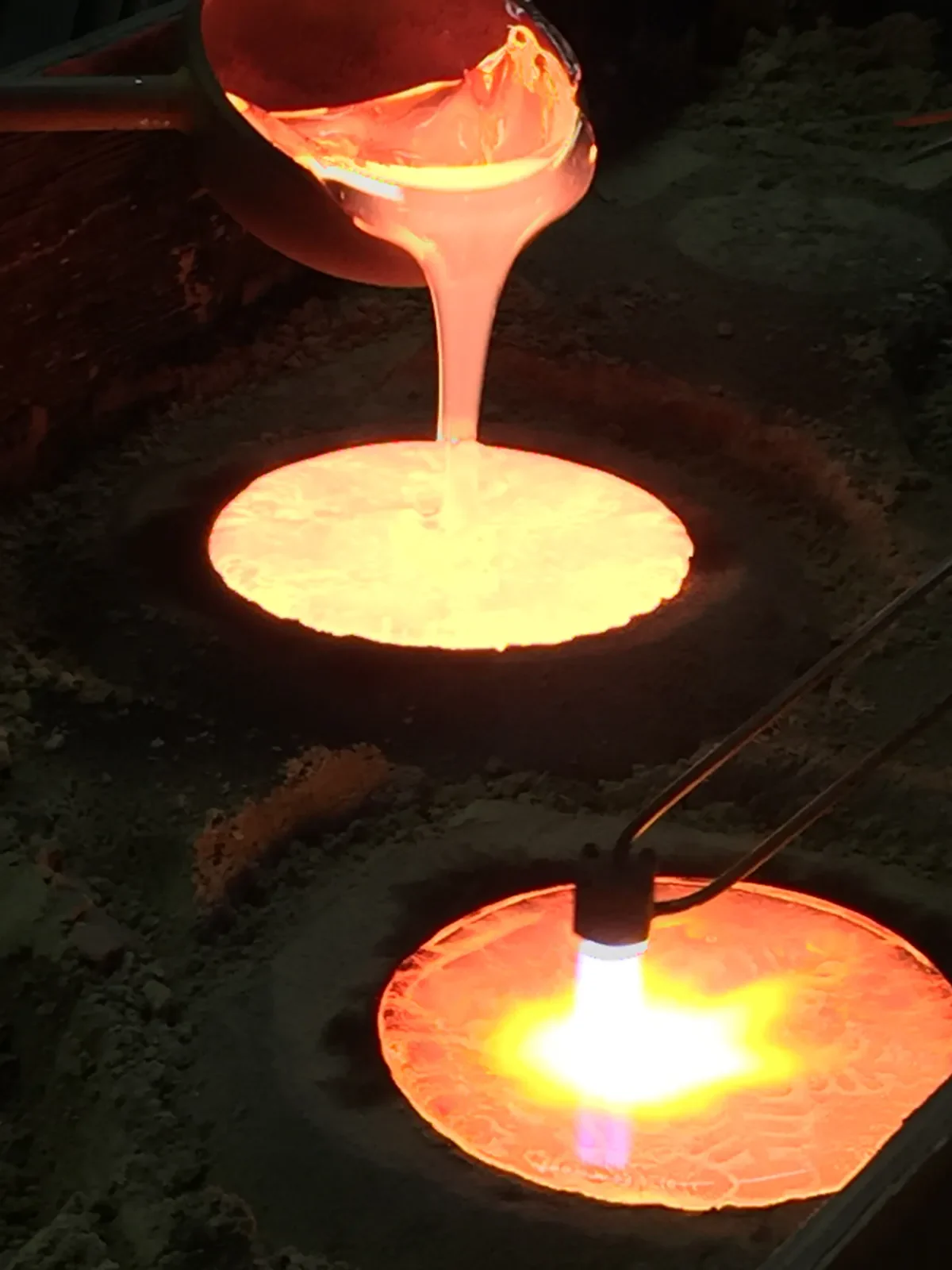
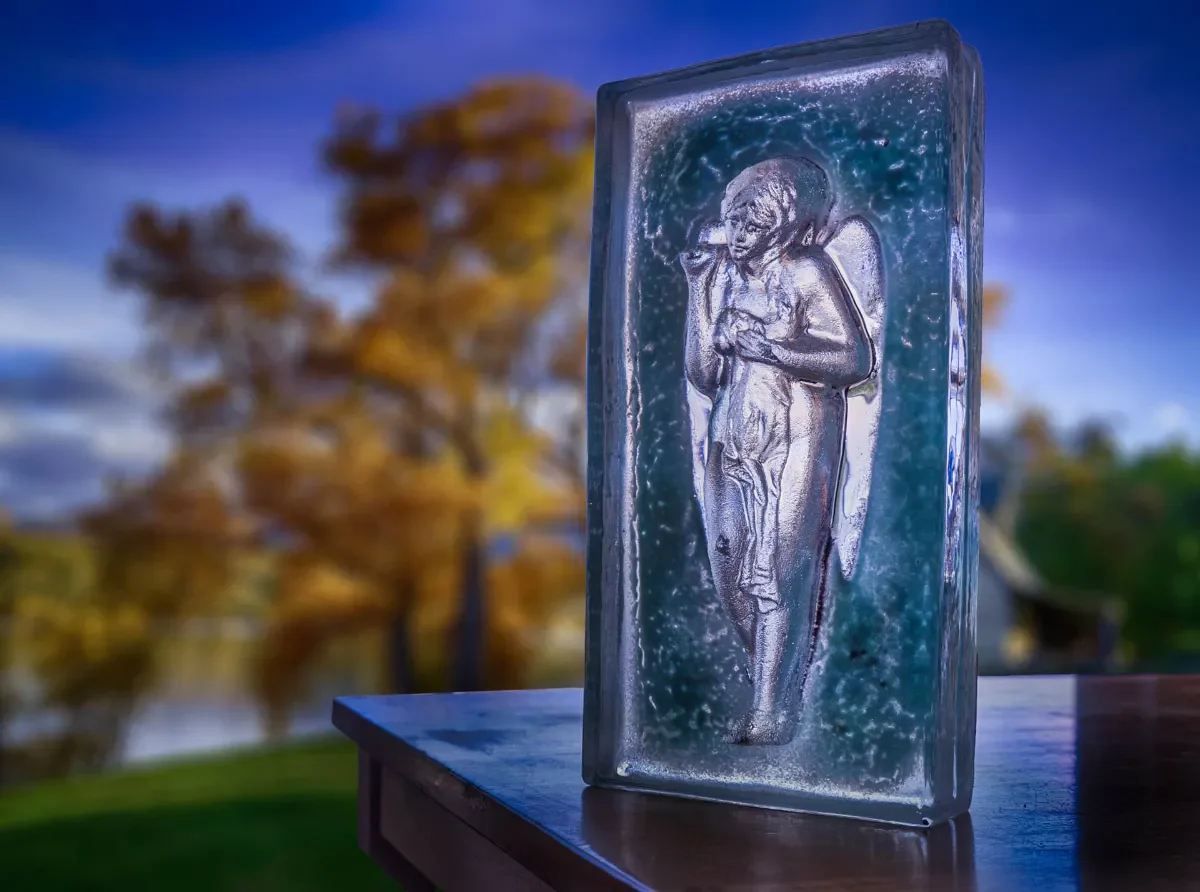
Glass is poured or melted into molds and cooled carefully in an annealer.
Layered glass is heated until separate forms bond into one piece.
Thin glass canes are heated over a torch for detailed, delicate forms.
Imagine Museum
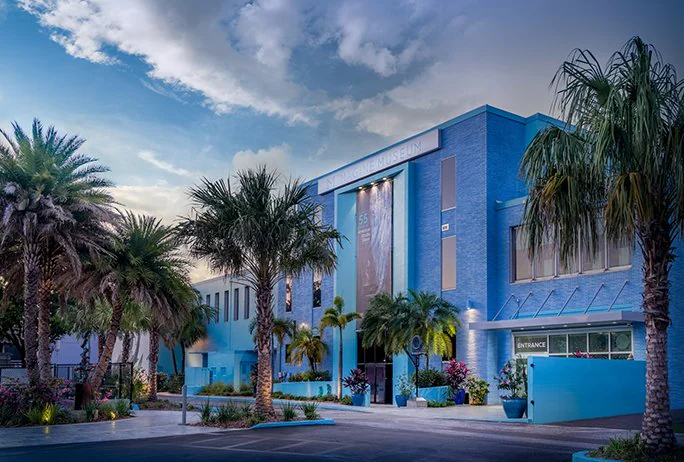
Founded by Trish Duggan in St. Petersburg, Imagine Museum presents contemporary glass art through exhibitions, education, and public programs.
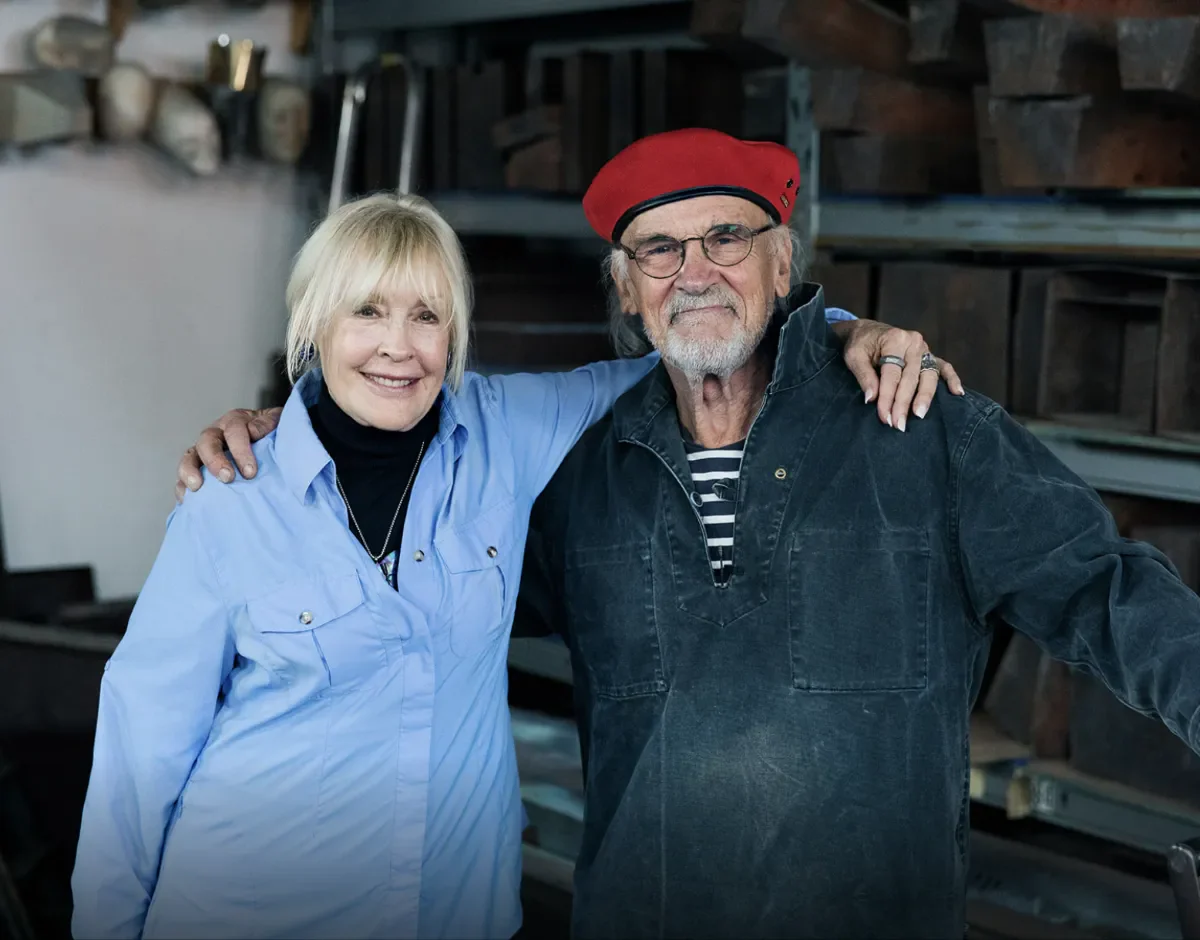
Trish and Glass Art